A spelling bee at home sounds easy, until someone cries over a lost round or a six-year-old is handed a word meant for a teenager. This guide gives you simple rules, kind ways to judge a miss, and checked word lists for four age groups. It also covers a version for mixed ages and three variants for game night. All you need is a list and a pencil.
1. How to run a spelling bee at home in 5 steps
- Choose a caller: a parent, or the oldest player who isn’t spelling. Give them the word list, and set a loose order for the spellers.
- The caller says the word. The speller may ask for a definition, a sentence, or the word again.
- The speller says the word, spells it letter by letter, then says the word again.
- If it’s right, the speller gets a point and the turn passes. If it’s wrong, the caller says the correct spelling, letter by letter. Section 3 explains what a miss costs.
- Play five rounds, with the words getting a little harder in each one. The player with the most points wins. Keep it to 15 to 20 minutes.
2. How to judge: fair calls
Before the first word, agree which source settles a dispute: the printed list or a dictionary. After that, the chosen source decides, and there’s no arguing mid-round.
- A speller may restart the spelling only before the last letter. After that, the spelling stands.
- Say each word once, clearly, then use it in a sentence. Never give hints about the letters.
- Where US and UK spellings differ (color or colour, favorite or favourite), accept the spelling on the list. Tell the spellers which one you use before you start.
3. What a miss means: nobody out too early
Classic school bees knock a speller out after one miss. At home, that’s a poor fit: the youngest player would sit out for the whole evening, and nobody wants that.
Instead, try one of these:
- Points: 1 point for a right spelling. A miss just means no point.
- Two lives: a speller is out only after a second miss. An eliminated player becomes the caller’s helper, checking the list and keeping score.
If the scores are tied at the end, play a sudden-death round: one word at a time, from the hardest list.
4. Word lists by age
Each list has ten words, and every word is checked against a dictionary. Pick a mix of words for each round, starting from the easiest lists.
- Ages 5 to 6: friend, because, school, people, could, again, green, blue, happy, jump
- Ages 7 to 8: beautiful, different, library, favorite, surprise, through, island, calendar, camera, puzzle
- Ages 9 to 10: necessary, separate, restaurant, receive, neighbor, Wednesday, environment, language, embarrass, guarantee
- Ages 11 and up: rhythm, conscience, pneumonia, mischievous, liaison, questionnaire, silhouette, maintenance, occurrence, bureaucracy
The lists use US spelling for two words, favorite and neighbor. If you’re in the UK or elsewhere that uses British spelling, swap them for favourite and neighbour.
For a fresh word, open a children’s dictionary at a random page, or use the word list your child’s school publishes for your child’s year.
5. Mixed ages: how to keep everyone in
Mixed ages are where a home bee can go wrong, so a few small rules help.
- Each speller takes words from their own age list. The points are the same for all, so a 6-year-old can beat a 12-year-old.
- Older players have a handicap: to score, they must also use the word in a sentence of their own.
- Younger players may ask for the first letter once per game. Older players may not.
- For a team version, pair one younger and one older speller. They spell each word together, one letter each in turn.
6. Three variants for game night
- Themed rounds. Each round has a theme, such as food, animals, places or weather, and the caller picks the words from it. A cookbook or an atlas is a ready source of words.
- Scavenger-hunt bee. Hide cards with words around the room. A speller finds a card, brings it back, and spells the word from memory before looking at the card again.
- Hand-up bee. Everyone spells on paper at once, then you compare. No one waits, and no one is put on the spot.
7. Tips for a friendly bee
- Praise effort, not only right spellings: “Good try, that’s a tricky one.”
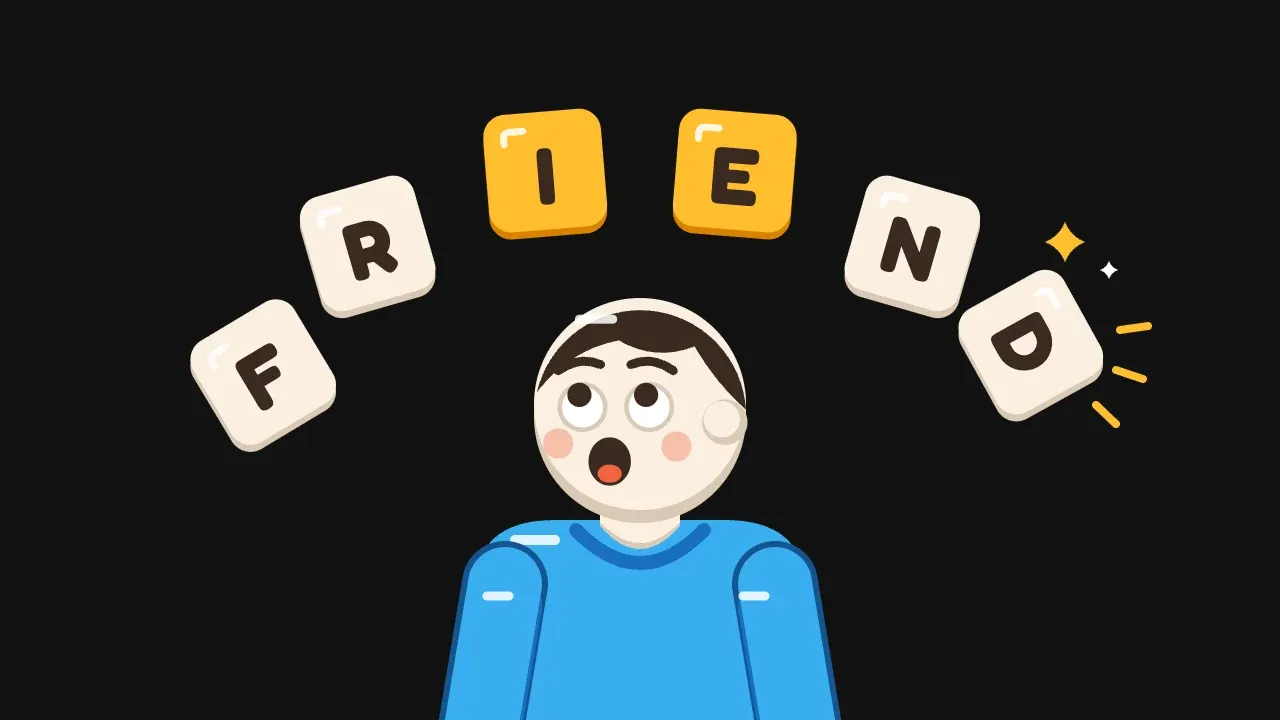
- After a miss, say the word’s trap out loud, such as the “ie” in friend. Then the miss teaches something.
- Let a speller who misses hear the right spelling, and bring the word back at the end for a second chance.
- Keep prizes small and silly, like choosing the next game or getting a sticker.
Try a word game next
Run a first round tonight with the 5 to 6 list. For a quieter word game afterwards, try word ladder puzzles or brain teasers for a 5-minute break.