In physics puzzle games, you line up a shot, it misses, and the next try misses in a way that seems random. It doesn’t have to feel like luck. These six habits turn trial and error into a plan, and the checklist and the things to try at the end will help you practise them.
What physics puzzle games are
A physics puzzle gives you a goal, such as getting a ball into a cup, toppling a tower or reaching a target. The objects in it behave the way everyday things do: they fall, roll, bounce, slide and push each other.
You rarely move the objects directly. Instead, you choose a launch (an angle and a power), place or remove a piece, or let something go, and then you watch what happens.
The fun is that the answer is a sequence you can work out, not a lucky guess. Here is how to work it out.
1. Read the whole layout first
Before you make any move, look at the whole level. Where is the goal? What is in the way? What can move, and what stays fixed?
Sort the objects into three kinds: things that move (balls, crates), things that stay put (walls, floors), and things you can remove or place. Then ask which one is the key to the level.
Trace the route from start to goal in your head before you spend a shot. Use your finger on the screen if that helps.
2. Change the angle before the power
The angle decides where a shot goes. The power decides how far it goes. Fix the angle first, so the path points at the right place, and only then adjust the power.
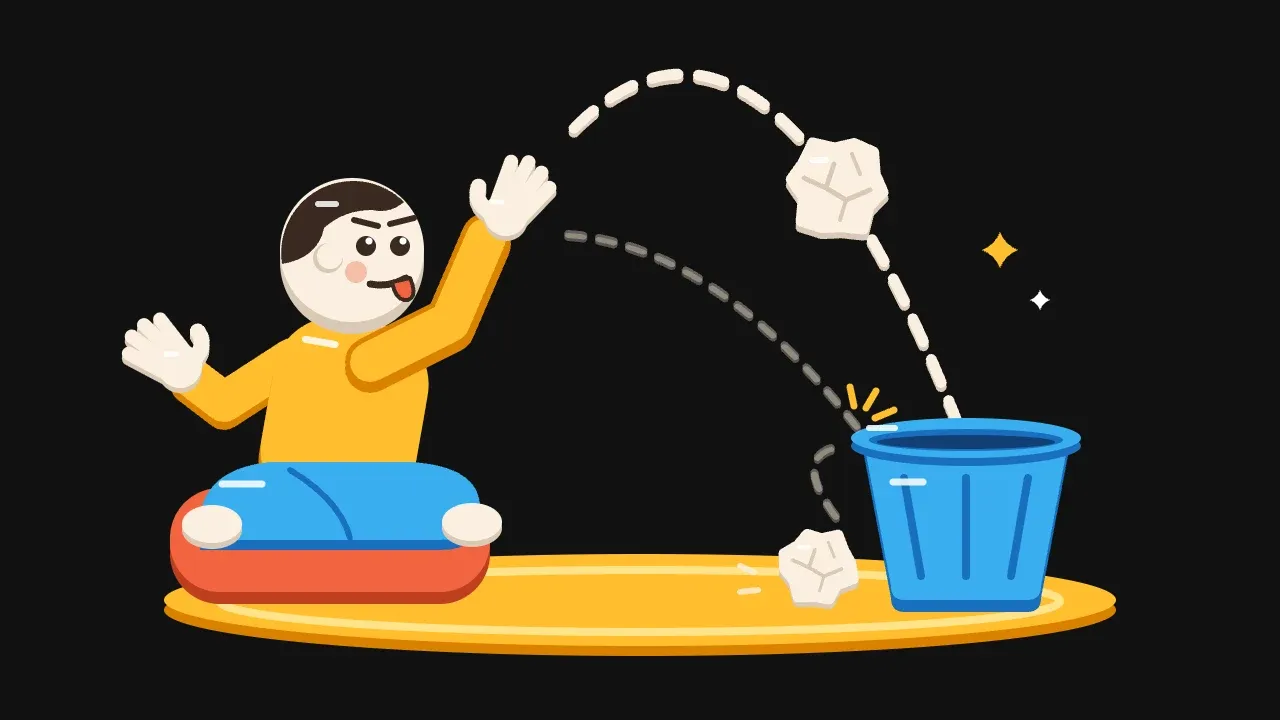
Think of throwing a paper ball into a bin. A flat throw and a high lob can both reach the bin, but they arrive differently. The lob drops in from above. The flat throw can clip the rim and bounce out. Choosing between the two is the real decision.
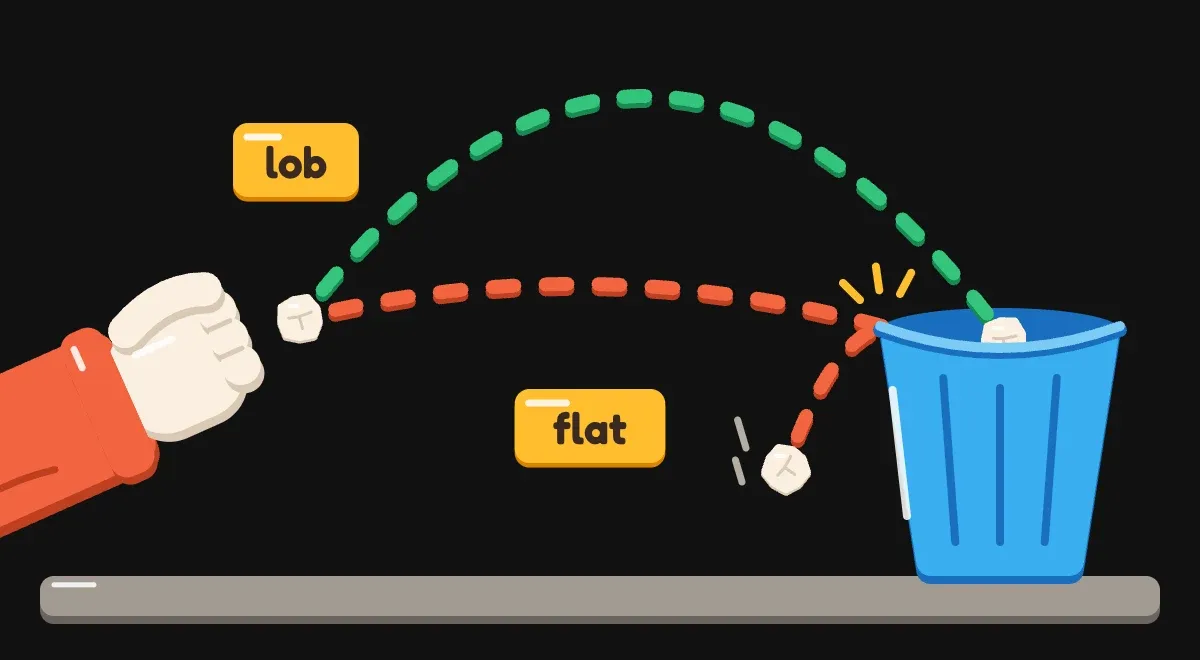
If you change the angle and the power at the same time, you can’t tell which change fixed the shot and which one ruined it.
3. Change one thing at a time
After a miss, change one thing only: the angle, the power or the position. Then try again. Two changes at once teach you nothing.
Read what the miss told you. Was it too short, too long or too high? Every miss is a measurement, and a shot that falls just short tells you which way to go next.
Use your first few tries to learn how the level behaves. Think of them as test shots. A good solver is happy to spend a shot on purpose, just to learn something.
4. Use bounces and slopes
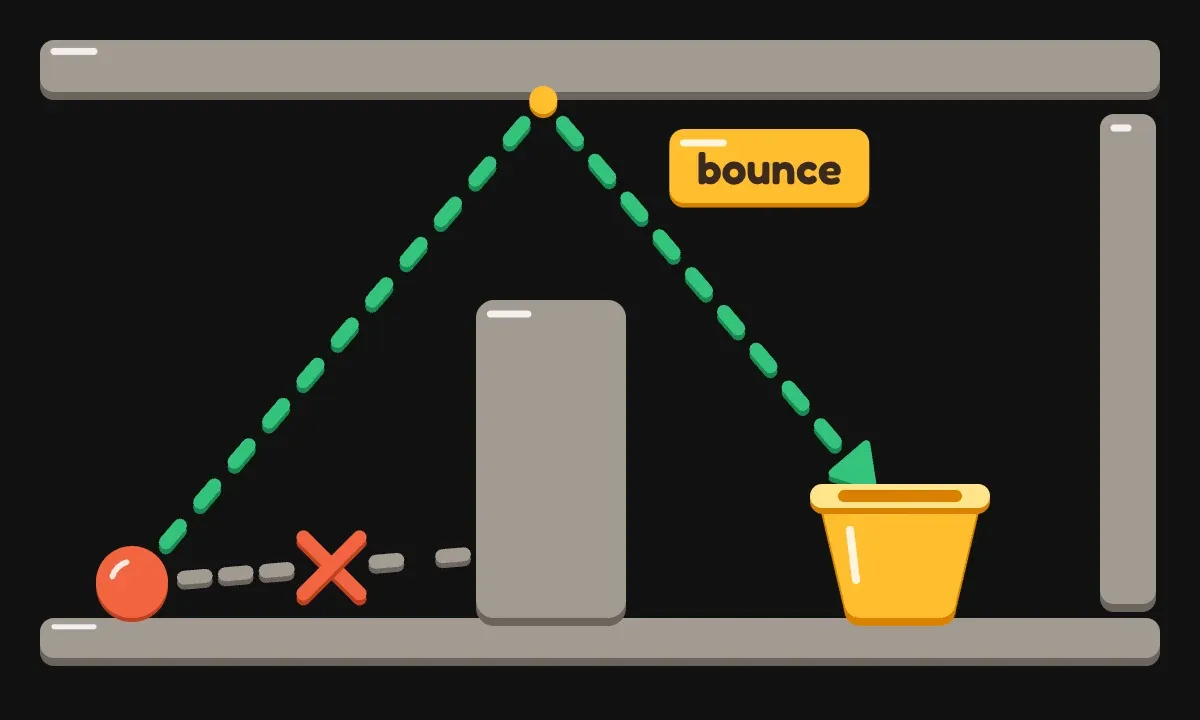
Walls, floors and ramps can reach places a straight shot can’t. A bounce can turn a blocked path into an open one.
You already know enough about bounces to use them. A ball thrown at a wall comes back off it at roughly the same slant it arrived at. A ball rolling down a steeper slope usually picks up more speed. You don’t need any numbers for this, just the experience you already have.
Look for a surface that lets you aim at something you can’t see a straight line to.
5. Look for chain reactions and weak supports
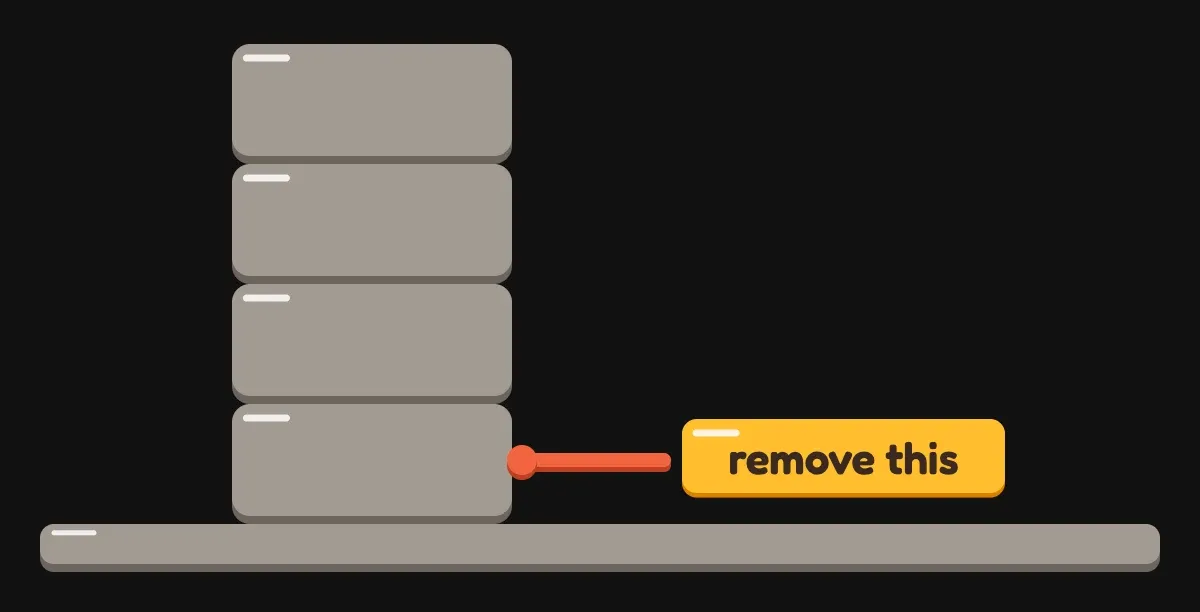
Ask what holds each object up. If you knock out a support, everything resting on it comes down. A crate hanging from a rope falls when the rope goes.
Then find the piece that starts the most movement. Hitting or removing a block at the base of a stack usually brings down more than doing the same to the top block.
Chain reactions work like dominoes. Line up what falls onto what, and check that each piece reaches the next one before you start the chain.
6. Plan limited shots backwards
When you have only a few shots, work from the goal back. What must happen last? What has to happen just before that?
Give each shot a job. Shot one clears the obstacle, and shot two scores. Don’t try to do everything with one shot.
Count your shots before you take the first one. If the plan needs four and you have three, look for a chain reaction that does two jobs at once. Working backwards is a habit that helps in other puzzles too: see how to get better at logic puzzles.
Physics puzzle games tips: a quick checklist and things to try
Before each shot, run through this checklist:
- Did I read the whole layout?
- Is the angle fixed before the power?
- Have I changed only one thing since the last try?
- Could a bounce or a slope help?
- What is holding things up?
- Does each shot have a job?
Then try these with everyday objects. They are for fun, nothing more, and there is nothing to get right or wrong. Just notice what happens.
- Roll a ball off the edge of a table, first with a gentle push and then with a firm one. Put a rug or a cushion on the floor below, and notice where the ball lands each time.
- Toss a crumpled paper ball into a bin with a flat throw, then with a lob. Count which throw lands in the bin more often.
- Stack four books. Slowly pull out the bottom book, then rebuild the stack and slowly pull out the top one. If the stack topples, keep your hands clear.
Pick the level you are stuck on and try the habits one at a time. Change one thing, watch what the miss tells you, and let that decide the next move. If you want more habits that work on almost any puzzle, the eight habits in the logic puzzles post are a good place to start.